
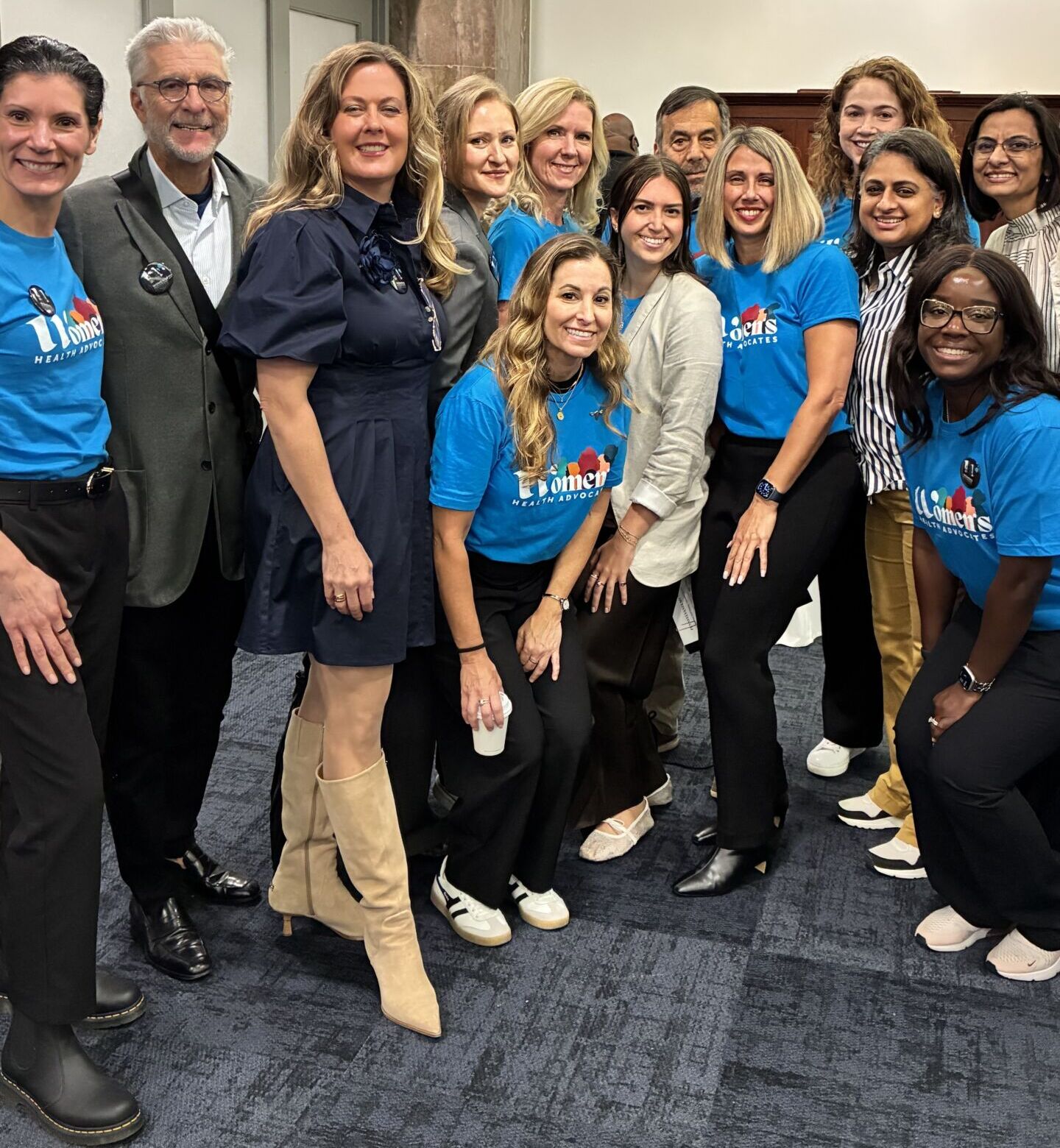
During the 2026 Perimenopause & Menopause Capitol Hill Day, healthcare professionals and advocates called attention to gaps in menopause research, education, and access to care.
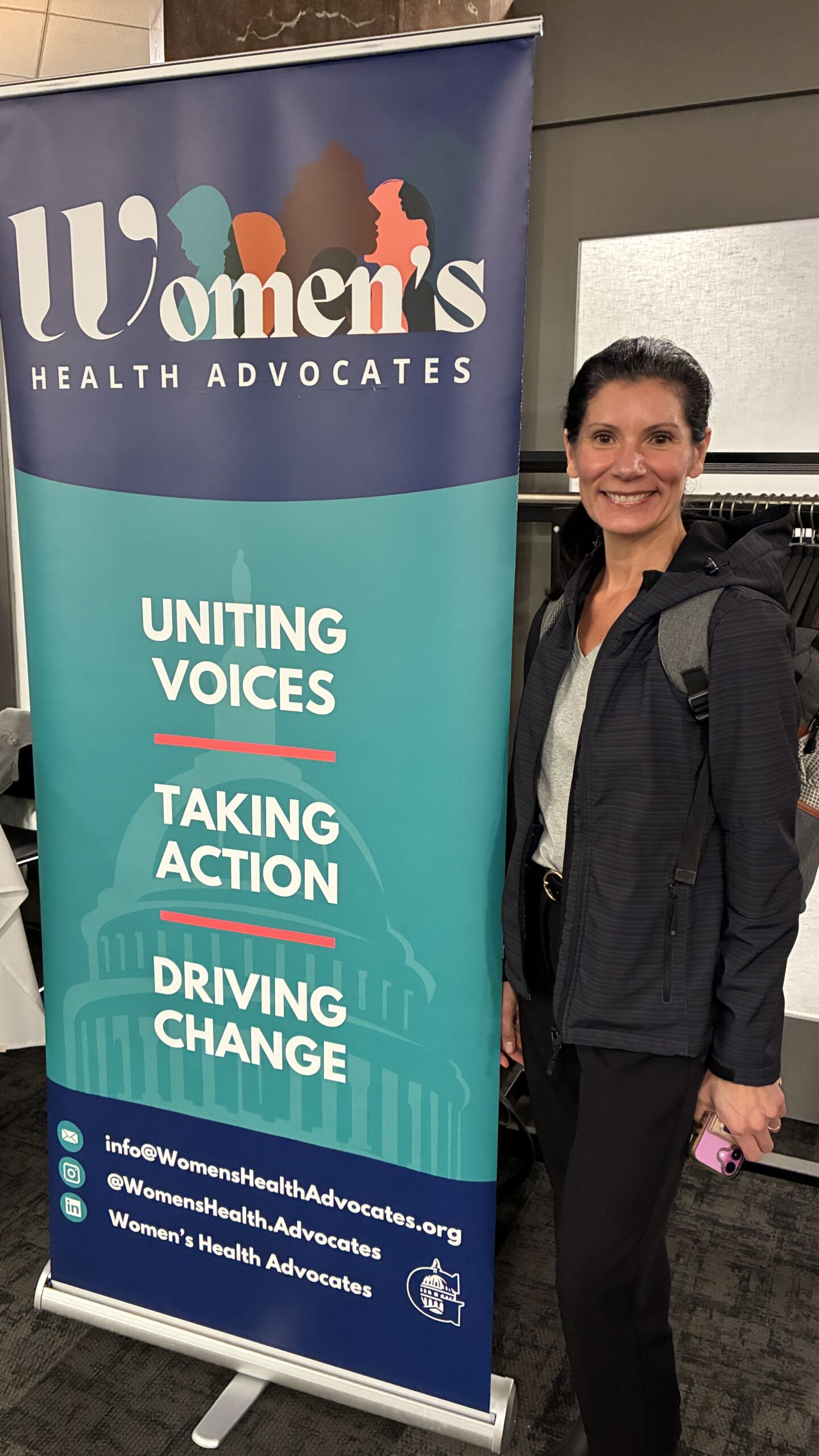
On September 22, 2026, Michelle Keating-Sibel, DNP, CRNP, FNP-BC, MSCP, co-founder of Lumen Aesthetics & Wellness in Lederach, Pennsylvania, joined Women’s Health Advocates on Capitol Hill to discuss how federal policy can better support menopause care. The day brought patient experiences and clinical perspectives into conversations about research funding, clinician education, and access to treatment.
Connecting Clinical Experience With National Advocacy
As a family nurse practitioner and Menopause Society Certified Practitioner, Michelle sees how menopausal symptoms can affect sleep, sexual health, daily functioning, and overall quality of life. She also sees the barriers women face when looking for clinicians who recognize their concerns and can discuss appropriate treatment options. Those experiences helped shape her decision to take part in the advocacy event.
“In my practice, I meet women who have spent months, sometimes years, trying to understand the changes they’re experiencing. Too often, they’ve been told their symptoms are just part of getting older. Women deserve better than that. They deserve to be heard, have their concerns taken seriously, and know that treatment options are available.” — Michelle Keating-Sibel
Through discussions focused on advancing legislative initiatives, Michelle helped to emphasize the need for greater research funding, improved insurance coverage, and increased awareness of the challenges women face in accessing appropriate menopause care. Drawing on her clinical expertise and firsthand experience caring for women during midlife, she highlighted the importance of translating emerging research into meaningful policy changes that improve health outcomes and address longstanding gaps in women’s healthcare.
Three Priorities for Improving Menopause Care
Michelle engaged with the offices of U.S. Senator John Fetterman and U.S. Representative Madeleine Dean to discuss opportunities to strengthen menopause research, education, and access to care.
1
Advancing Menopause Research
Advocates called for $5 million in dedicated federal funding for menopause research.
More research is needed to guide the management of menopausal symptoms and clarify important questions about long-term health. Stronger evidence on cardiovascular, metabolic, bone, and cognitive health can help clinicians discuss treatment benefits and risks with greater precision. For patients, that means more informed decisions based on their individual needs and medical histories.
2
Improving Insurance Coverage and Access
Cost and coverage should not prevent women from seeking informed menopause care.
Insurance coverage for menopause-related visits and treatments is inconsistent, creating financial and practical barriers to care. Advocacy efforts focused on improving access to timely evaluation, treatment discussions, and appropriate follow-up. These challenges affect women locally as well, including those in Lederach, Harleysville, Collegeville, and communities throughout Montgomery County.
3
Strengthening Clinician Education
Better training can help clinicians recognize symptoms and provide evidence-based, individualized care.
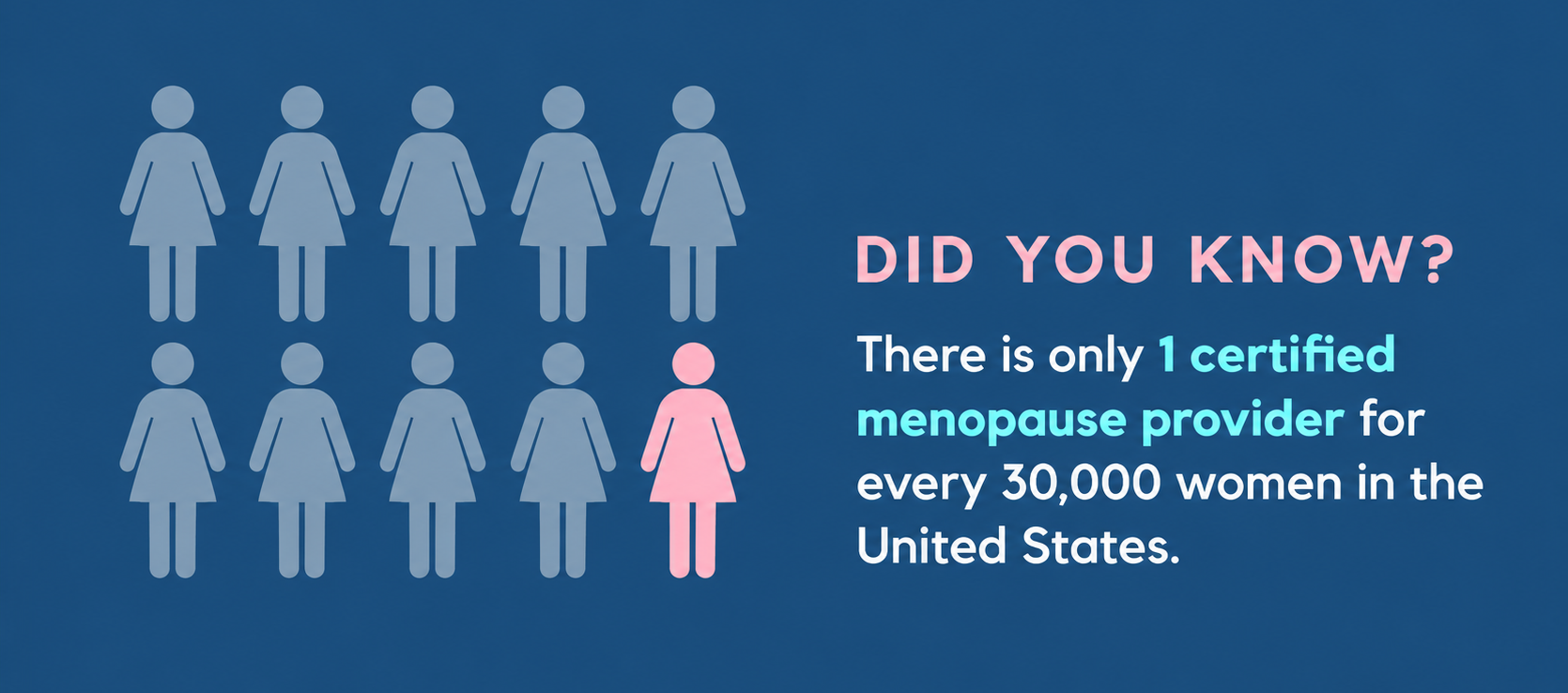
Menopause can influence multiple aspects of health, yet patients may receive very different guidance depending on where they seek care. Expanding education for healthcare professionals can improve clinical confidence, support shared decision-making, and bring current evidence into everyday practice. This priority closely aligns with Michelle’s work as both a family nurse practitioner and healthcare educator.
What This Advocacy Means for Lumen Patients
At Lumen Aesthetics & Wellness, menopause care begins with listening to each patient’s concerns and understanding how symptoms affect her daily life. Treatment is individualized, taking into account medical history, personal preferences, health goals, and the best available clinical evidence. Through education and shared decision-making, patients are empowered to understand their options and make informed choices that support both immediate needs and long-term well-being. Michelle’s advocacy on Capitol Hill reflects these same principles, reinforcing Lumen’s commitment to compassionate, personalized, and evidence-based care.
Continuing the Work Beyond Capitol Hill
Progress in menopause care depends on collaboration among patients, clinicians, researchers, policymakers, and advocacy organizations. Legislative discussions are one way to bring clinical experience and patient needs into decisions that shape future care. For Michelle, that work continues through patient visits, professional education, and conversations that help women make informed choices about their health. The advocacy effort in Washington was an important opportunity to carry those everyday concerns into a national forum.
Research, education, and insurance policy have direct consequences for patients, influencing whether they can find knowledgeable clinicians, understand their options, and access appropriate treatment. Meaningful advocacy connects these national policy discussions to the realities of everyday patient care. Ultimately, better information, thoughtful treatment, and attentive listening remain essential to improving women’s health, both in Washington and in the exam room.






About Michelle
Dr. Michelle Keating-Sibel, DNP, CRNP, FNP-BC, MSCP, is a board-certified Family Nurse Practitioner with more than a decade of experience caring for patients across primary care, women’s health, and wellness settings. She is passionate about helping individuals improve their health through prevention, education, and sustainable lifestyle changes.
Michelle actively practices in family medicine and is the co-founder of Lumen Aesthetics & Wellness. She specializes in evidence-based wellness care, hormone therapy, menopause management, and medical weight management, partnering with patients to develop personalized plans that support long-term success.
Known for her compassionate and practical approach, Michelle takes the time to understand each patient’s unique goals, challenges, and lifestyle. Her philosophy of care focuses on treating the whole person—mind and body—while empowering patients with the knowledge and tools they need to make informed decisions about their health.
In addition to caring for patients, Michelle serves as an educator, speaker, and mentor to future nurse practitioners. She remains actively engaged in advancing the profession and promoting high-quality, patient-centered care.
Education
Dr. Michelle Keating-Sibel, DNP, CRNP, FNP-BC, MSCP earned her Bachelor of Science in Biology from East Stroudsburg University, followed by a Bachelor of Science in Nursing and Master of Science in Nursing from Villanova University. She later completed her Doctor of Nursing Practice at West Chester University, where her doctoral project centered on implementing evidence-based strategies to improve outcomes at a system level.
Related Certifications, Credentials & Associations
Michelle is Nationally Certified by the American Nurses Credentialing Center. The Menopause Society Certified Practitioner credential, adding MSCP to her professional credentials and demonstrates specialized knowledge in menopause and midlife care. She holds a Certificate Of Advanced Education from the Obesity Medicine Association. Michelle also has advanced training in hormone optimization, and minimally invasive aesthetic procedures. She is an active member of the American Academy Of Nurse Practitioners, Pennsylvania Coalition of Nurse Practitioners, American College of Healthcare Executives, Obesity Medicine Association and The Menopause Society.
Mentor & Educator
In addition to her clinical practices, Michelle is a Visiting Professor at Chamberlain University where she teaches leadership and role development in advanced nursing practice, President of the East Stroudsburg University Alumni Association Board of Directors, and an invited speaker at national and state conferences. Her presentations have included topics such as obesity management, deprescribing, value-based care, and the responsible use of artificial intelligence in patient engagement.